
AIが急速に進化する今、「人間らしさ」をどう支えるかという問いが、世界的なテーマになっている。ヘルスケア、働き方、都市設計、メンタルウェルネス……テクノロジーが関わる領域は広がり続け、ウェルビーイング産業はかつてないスピードで拡大している。
As AI evolves at a rapid pace, the question of how to support and preserve “humanity” has become a global theme. From healthcare and ways of working to urban design and mental wellness, the domains touched by technology continue to expand, and the well-being industry is growing faster than ever before.
その最前線にいるのが、ウェルビーイング×テクノロジーを専門領域とするベンチャーキャピタルファンド「Niremia Collective(ニレミア コレクティブ)」だ。
At the forefront of this movement is Niremia Collective, a venture capital fund specializing in the intersection of well-being and technology.
世界初のウェルビーイング特化ファンドとして、スタートアップ投資のみならず、2025年6月に「AI×人間らしさの未来」を議論する国際カンファレンス『Human+Tech Week(ヒューマンテック ウィーク)』を主催(※2026年は5月11日~15日に開催予定)。学術界・産業界・スタートアップが一堂に集い、“人間を中心としたテクノロジー”のあり方を探求している。
As the world’s first VC fund dedicated exclusively to well-being, Niremia Collective goes beyond startup investment. In June 2025, it hosted the international conference “Human+Tech Week,” focused on discussing the future of AI and humanity (the 2026 event is scheduled for May 11–15). Bringing together leaders from academia, industry, and the startup ecosystem, the conference explores what human-centered technology should look like.
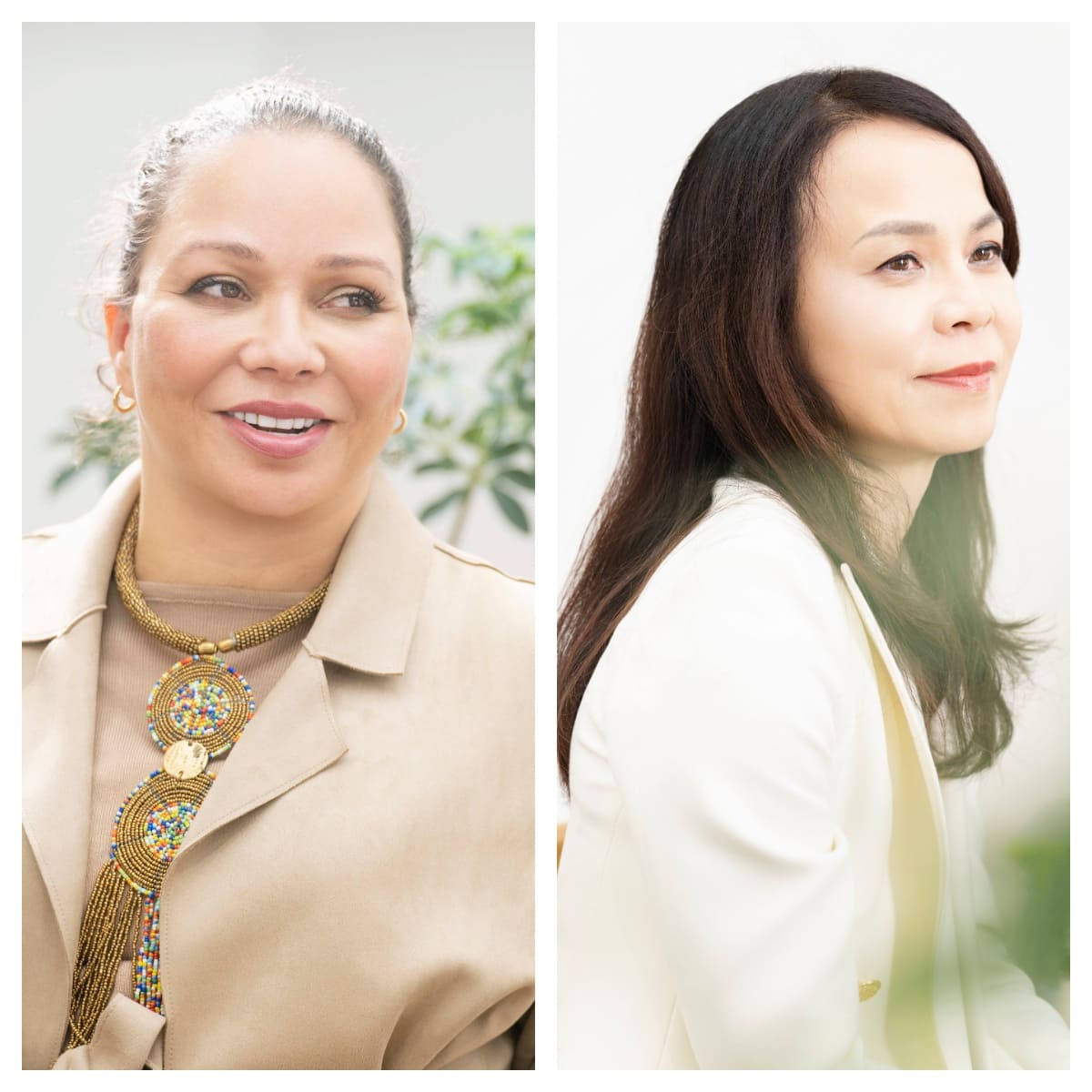
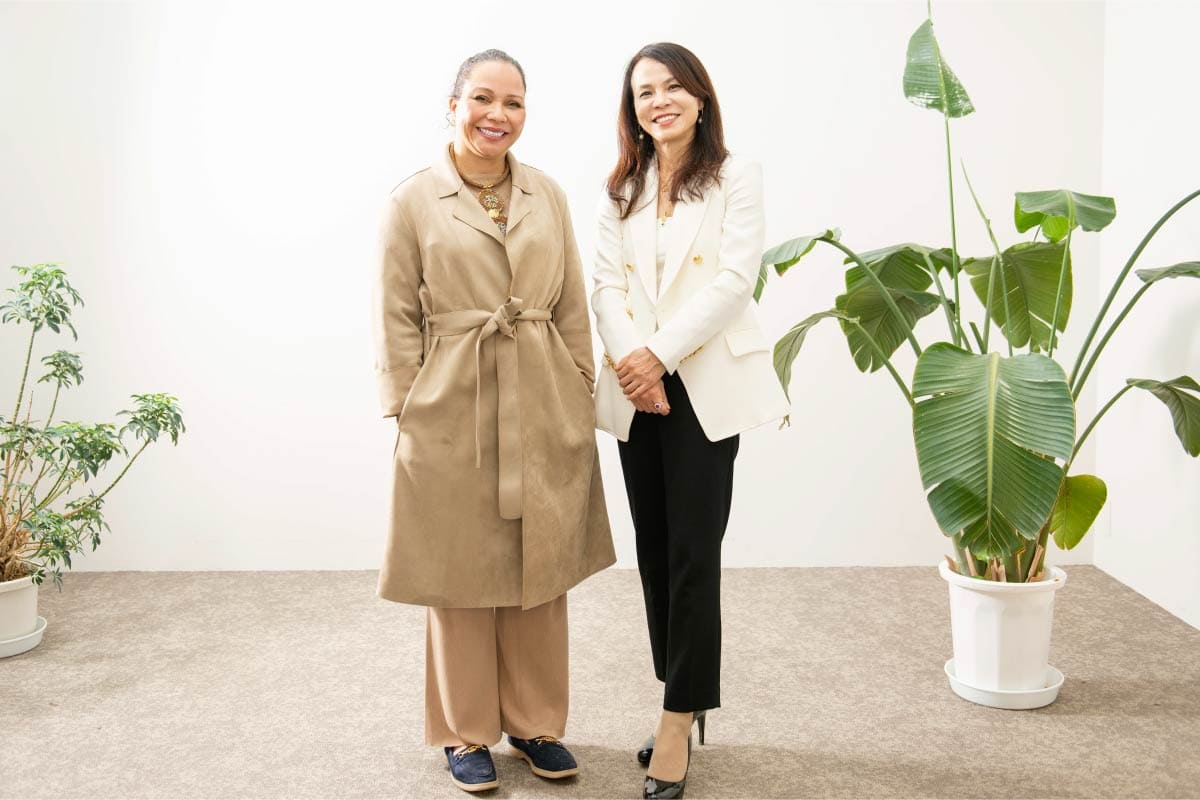
今回「Wellulu」では、「Niremia Collective」の共同創業者であるニコル・ブラッドフォードさんと、奥本直子さんのお二人に登場いただき、グローバルな視点から、世界規模で拡大するウェルビーイング市場の現在地について分析してもらった。
In this feature, Wellulu speaks with Nichol Bradford and Naoko Okumoto, co-founders of Niremia Collective, who offer a global perspective and analyze the current state and cutting edge of the rapidly expanding well-being market worldwide.
ウェルビーイング産業の充実が、世界の人々にとってなぜ大切なのか、そこに投資を広げていく意味とは何なのか。そして、AIが標準装備される将来に生きる私たちのウェルビーイングとは……?
Why is the development of the well-being industry so important for people around the world? What is the significance of expanding investment in this field? And what will well-being look like for us as we move into a future where AI is a standard part of everyday life?

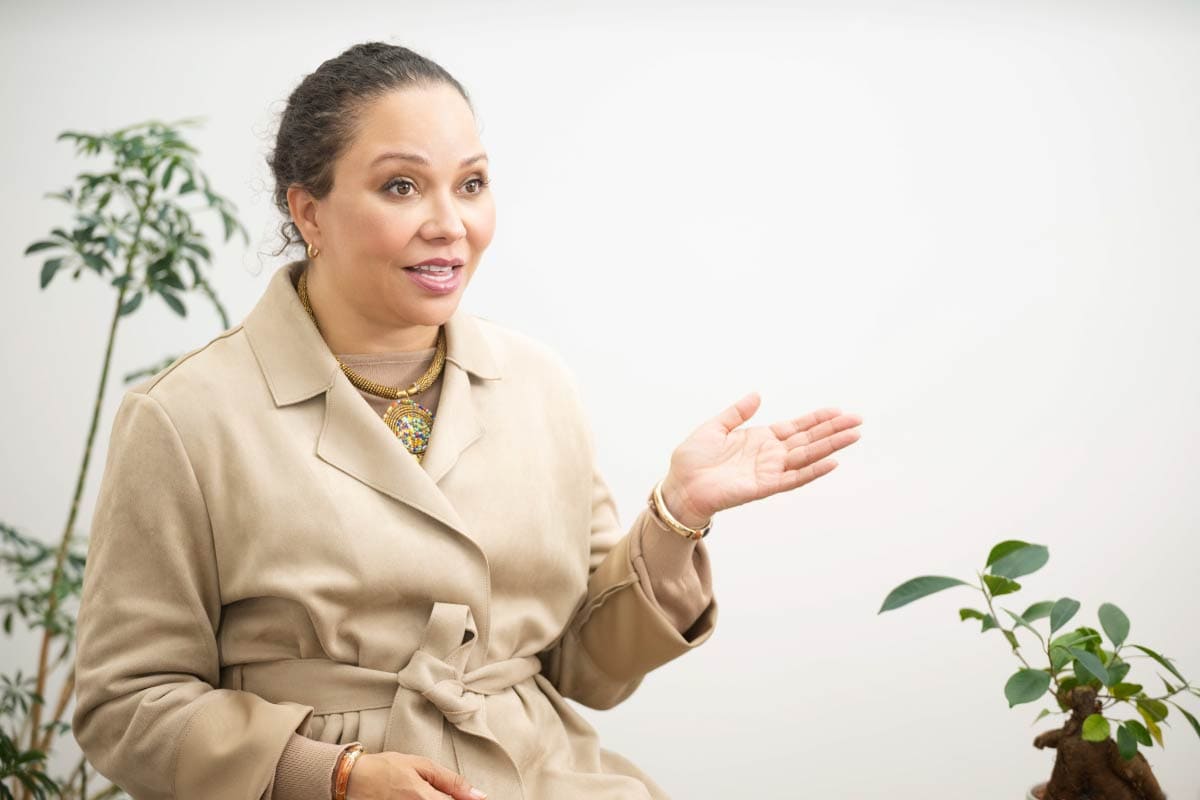
ニコル・ブラッドフォード(Nichol Bradford)さん
Niremia Collective 共同創業者/ウィローグループCEO兼創業者(Co-Founder, Niremia Collective / CEO & Founder, Willow Group)
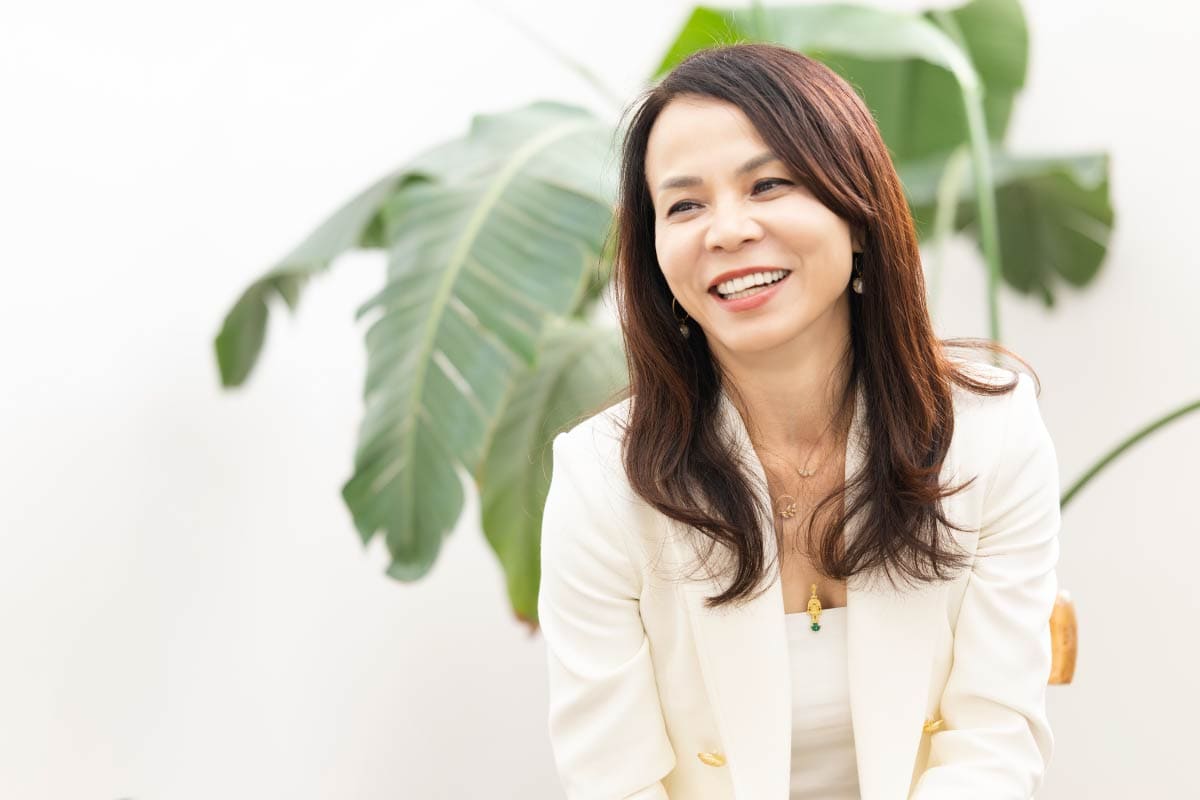
奥本 直子(Naoko Okumoto)さん
Niremia Collective 共同創業者 兼 マネージングパートナー Amber Bridge Partners CEO 兼 創業者(Co-Founder & Managing Partner, Niremia Collective
CEO & Founder, Amber Bridge Partners)
ボストン大学大学院修士課程修了後、シリコンバレーに拠点を移し、米マイクロソフトに勤務。2003年に米国Yahoo!本社に転じ、ジョイント・ベンチャー統括担当バイス・プレジデントを務める。2014年にベンチャー・キャピタルWiLの創業に参画。パートーナーとして投資活動に従事。2017年に独立、日米間の投資&事業開発のアドバイザリー会社、Amber Bridge Partnersを創業。孫泰蔵氏率いるインパクト・ファンド、Mistletoeの米国マネージング・ディレクターのほか、ソフトバンクグループ傘下のZコーポレーションのエグゼクティブ・アドバイザーを務める。2021年、ウェルビーイング・テクノロジーに特化したベンチャー・キャピタル、Niremia Collective(https://www.niremia.vc/)を創業、マネージング・パートナーとして、スタートアップ投資を開始。英国上場会社S4 Capital社外取締役、株式会社ヤプリ社外取締役、米国NASDAQ上場会社TNL Mediagene社外取締役など多数の要職に就く。
After completing her master’s degree at Boston University Graduate School, Naoko Okumoto relocated to Silicon Valley and worked at Microsoft. In 2003, she joined Yahoo! Inc. headquarters in the U.S., where she served as Vice President overseeing joint ventures.
In 2014, she became a founding member of the venture capital firm WiL, where she worked as a partner leading investment activities. She went independent in 2017 and founded Amber Bridge Partners, an advisory firm focused on investment and business development between Japan and the United States. She has also served as U.S. Managing Director of Mistletoe, an impact fund led by Taizo Son, and as Executive Advisor to Z Corporation, a SoftBank Group company.
In 2021, she co-founded Niremia Collective (https://www.niremia.vc/), a venture capital firm specializing in well-being technology, and began investing in startups as Managing Partner. She currently holds multiple board and advisory positions, including Outside Director of the LSE-listed S4 Capital, Outside Director of Yappli, Inc., and Outside Director of U.S. NASDAQ-listed TNL Mediagene, among others.
AIとウェルビーイングの融合が世界の課題解決の新たな糸口に──The Convergence of AI and Well-Being as a New Pathway to Solving Global Challenges
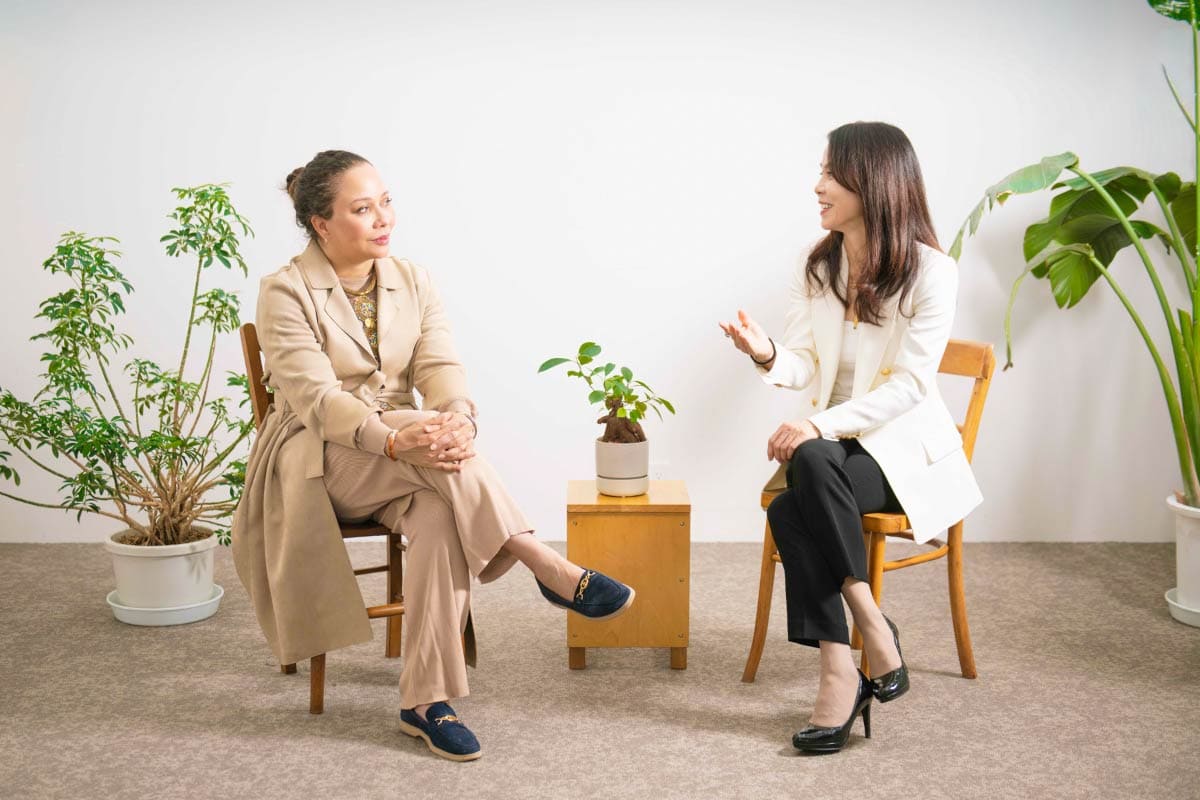
奥本:今日は、ニコルと共に「ウェルビーイング」と「AI」が融合することで、どのような未来が拓けるのかを探っていきたいと思います。まずは、ニコルがウェルビーイングの世界に興味を持ったきっかけを教えてください。
Okumoto:
Today, together with Nichol, I’d like to explore what kind of future can be opened up through the fusion of well-being and AI. To begin, Nichol, could you tell us what first sparked your interest in the world of well-being?
ニコル:私は、大学で学んだのち、さまざまな仕事を経験してきましたが、一貫して探求してきたテーマは「人間の可能性」です。テクノロジーがどのように人を支え、癒し、成長させ、創造性を引き出していくのか。より大きな視点で言えば、地球に暮らす82億もの人々が、どうすれば豊かに生きられるのか。その問いを軸に歩みを進めてきました。
Nichol:
After studying at university, I went on to experience a wide range of professional roles, but the theme I have consistently pursued throughout my career is human potential. How can technology support people, heal them, help them grow, and draw out their creativity? On a broader level, my central question has always been how the 8.2 billion people living on this planet can live richer, more fulfilling lives. I’ve shaped my journey around that question.
奥本:私もあるとき気づいたんです。自分が本当に力を尽くしたいのは“人間を起点にした技術”だと。人が「自己の最良の状態」に近づくためにサポートしてくれる技術とは何か。そう考え始めたことが、ウェルビーイングへ関心を持つようになったファーストステップでした。
「人間を起点としたテクノロジー」とは何か。その答えを探す中で、私は2018年、スタンフォードで開催されていた「Transformative Tech Conference(トランスフォーマティブ・テック・カンファレンス)」の存在を知り、参加しました。
そこで出会ったのがニコルです。ニコルは、「人のウェルビーイング × テクノロジー」の可能性を追求するグローバルネットワーク「Transformative Tech(トランスフォーマティブ・テック)」を2014年に創設し、そのコミュニティを牽引する存在でした。
Okumoto:
I also had a moment of realization. I came to understand that what I truly wanted to dedicate my energy to was human-centered technology. What kind of technology can support people in moving closer to their “best possible selves”? That line of thinking became my first step toward developing an interest in well-being.
As I searched for answers to what “human-centered technology” really means, I learned about the Transformative Tech Conference being held at Stanford in 2018 and decided to attend.
That’s where I met Nichol. In 2014, Nichol had founded Transformative Tech, a global network dedicated to exploring the possibilities at the intersection of human well-being and technology, and she was a driving force behind that community.
ニコル:じつは、直子と出会った時のことは今でもよく覚えています。カンファレンスの会場で、共通の友人に紹介され、握手を交わしました。その一週間後に、私から連絡しました。
私にとって、直子は“内なる力を呼び覚ましてくれる存在”です。ウェルビーイングの世界を創り出そうとする、その真摯な姿勢に心から敬意を抱いていましたし、一緒にパートナーシップを組めることを、とても嬉しく思ったのを覚えています。
共通のビジョンを持ち、世界の見方が似ていると気づいたとき、人は自然と「では一緒に何を創り出せるだろう?」と考えるものですよね。だからこそ、最初に私が「ミーティングをしませんか」と声をかけたとき、「イエス」と言ってくれたことにも本当に感謝しています。もし「ノー」だったら、今の私たちは全く違う場所にいたかもしれない。そのくらい、大切な一歩でした。
Nichol:
I still clearly remember the day I met Naoko. We were introduced by a mutual friend at the conference and shook hands. About a week later, I reached out to her.
To me, Naoko is someone who awakens inner strength in others. I had deep respect for her sincere commitment to creating a world grounded in well-being, and I remember feeling genuinely happy at the thought of forming a partnership with her.
When you realize that you share a common vision and a similar way of seeing the world, you naturally begin to think, “So what can we create together?” That’s why I’m truly grateful that she said yes when I first asked, “Shall we meet?” If she had said no, we might be in completely different places today. It was that important a step.
奥本:最初に、ゆっくりと言葉を交わした日のことを、今でも鮮明に覚えています。当時、息子が学校を病欠していたため私は自宅を離れることができなかったのですが、ニコルがわざわざ訪ねてきてくれました。話は自然と尽きることなく、気づけば夕食を共にし、夜更けまで語り合っていましたね。その時間はとても豊かで、心から楽しく、今振り返っても私たちにとって大切な原点だったと感じます。「ひとつの出会いが人生を変えることがある」と言われますが、まさにその通りだと、あの日を思い出すたびに思うのです。
最初の出会いから深く語り合う時間を共有したことで、お互いが目指している未来の姿が自然と重なり、「ウェルビーイングな世界を一緒につくろう」という意思が固まりました。
ニコルが企画・運営を担う「Transformative Tech Conference」には、毎年1,000人以上が世界中から参加し、ウェルビーイングとテクノロジーの未来について学び、語り合い、そして共創する貴重な場を提供していました。
「Transformative Tech Conference」は、世界42カ国に広がるグローバルネットワークとして、学術界、起業家、投資家などを含む約9,000人のメンバーを擁しています。そもそも、なぜニコルはこのコミュニティを立ち上げたのでしょうか。そこには、どんな想いやきっかけがあったのでしょうか?
Okumoto:
I still vividly remember the day we first sat down and spoke at length. At the time, my son was home sick from school, so I couldn’t leave the house, and Nichol went out of her way to come visit me. Our conversation flowed effortlessly and never seemed to end—before we knew it, we were having dinner together and talking late into the night.
That time felt incredibly rich and joyful, and even now, looking back, I feel it was an essential starting point for us. People often say that a single encounter can change your life, and every time I recall that day, I’m reminded just how true that is.
By sharing such deep conversations from our very first meeting, the future each of us envisioned naturally began to overlap, and our shared resolve to “create a well-being-centered world together” took shape.
The Transformative Tech Conference, which Nichol plans and operates, has welcomed more than 1,000 participants from around the world each year, providing a rare space to learn about, discuss, and co-create the future of well-being and technology.
Transformative Tech Conference has grown into a global network spanning 42 countries, with approximately 9,000 members from academia, entrepreneurship, investment, and beyond. Why did Nichol decide to create this community in the first place? What motivations and experiences lay behind its founding?
ニコル:私は、世界で起きているほとんどの問題の根本的な原因は、“人間そのもの”にあると感じています。
たとえば食料危機。深刻な課題ですが、実際には資源の不足よりも、「どう分配されているか」という人間の意思決定や行動の問題が大きい。アメリカでは食料の約30%が廃棄される一方で、食べるものに困る人がいる。「足りない」ではなく「分配の仕組み」が最適化されていないのです。もし世界が協力し、考え方を少し変えることができれば、この問題は解決できるはずです。
かつてオゾンホールの問題で、世界は協力して規制を設け、長い時間をかけながらも改善へ向かわせました。私たち人間には「決断して実行する力」があると証明した象徴的な出来事です。
でも自分自身の生活に問題を抱えている人は、世界の問題にまで意識を向け続けることが難しい。だからこそ私は、数ある世界規模の問題の中から「人々が幸福に生きられる状態をつくること」こそが、他の課題を連鎖的に解決する突破口になると考えたのです。
Nichol:
I believe that the root cause of most of the problems we see in the world lies in human beings themselves.
Take the food crisis, for example. It is a serious challenge, but in reality, the issue is less about a lack of resources and more about how those resources are distributed—a matter of human decision-making and behavior. In the United States, roughly 30% of food is wasted, while at the same time there are people who struggle to access enough to eat. The problem is not scarcity; it’s that the systems of distribution are not optimized. If the world could cooperate and shift its thinking even slightly, this problem could be solved.
In the past, when faced with the issue of the ozone hole, the world came together to establish regulations and, over time, succeeded in moving the situation toward recovery. This stands as a powerful example proving that we humans have the ability to make decisions and act on them.
However, when people are dealing with challenges in their own daily lives, it becomes difficult for them to keep their attention on global issues. That is why, among the many large-scale problems facing the world, I came to believe that creating conditions in which people can live happy, fulfilling lives is the key breakthrough—one that can trigger a chain reaction of solutions to many other challenges as well.
内なる気づきが導いた、ウェルビーイングへの道──The Path to Well-Being, Guided by Inner Awareness
奥本:ウェルビーイングの世界へのビジョンはどのように育まれたのですか?
Okumoto:
I completely agree. How did your vision for the world of well-being take shape?
ニコル:2014年に京都で参加した「瞑想リトリート」での深い経験が、私をウェルビーイングへと強く方向づけたと思います。
私はもともとテック業界の出身で、テクノロジーは得意分野。だからこそ「テクノロジーこそ、最も民主的な手段だ」と思っています。最初の構想では、テクノロジーを使って世界中に瞑想を広めることを考えていました。瞑想体験をすれば、みんなが自然とウェルビーイングに意識を向けるはずだと。ちょうどその頃、アメリカの病院や退役軍人省で、マインドフルネスを使ったストレス軽減法が体系化されつつあり、その効果が精神的・感情的・社会的健康に及ぶことが明らかになってきていました。
「ここにテクノロジーを掛け合わせれば、人々のウェルビーイングに役立てるのではないか」。そんな思いで、私は2014年に非営利団体として「トランスフォーマティブ・テクノロジー(Transformative Tech.org)」を立ち上げたのです。
Nichol:
A profound experience at a meditation retreat in Kyoto in 2014 played a major role in strongly guiding me toward well-being.
I come from the tech industry, and technology has always been my area of expertise. That’s precisely why I believe technology is the most democratic tool we have. In my initial vision, I wanted to use technology to spread meditation around the world. I believed that once people experienced meditation, their awareness would naturally shift toward well-being.
Around that same time, in U.S. hospitals and within the Department of Veterans Affairs, mindfulness-based stress reduction was becoming more systematized, and its positive effects on mental, emotional, and social health were increasingly being recognized.
I began to think, “If we combine this with technology, couldn’t we truly support people’s well-being?” With that conviction, I founded Transformative Tech as a nonprofit organization in 2014.
奥本:周りの人は、ニコルのアイデアをすぐに支持しましたか?
Okumoto:
Did people around you support your idea right away?
ニコル:いいえ、当時はとんでもない話だと言われていました。テック業界の人からは、「なんでそんなことを? テクノロジーを活用するなら、配達アプリや広告ツールを作る方がよほど儲かるのに。スピリチュアルすぎる」とね。一方で、ヘルス業界の人からは、「メンタルヘルスにテクノロジーを入れるのは問題だ」と言われました。
それでも私は「使うべきなんだ」と主張し、メンタルヘルスの成り立ちや、その構成要素について学びを深め、予防医療やウェルネスの概念に辿り着きました。人は慢性的な痛みや不安を抱えていると、いくら大事だと言われても環境問題や社会問題どころではなくなってしまう。だからこそ、精神的な健康がまず重要だと痛感しましたね。
そしてもうひとつの気づきは、私たちの時間の多くは「仕事」に費やしているという事実です。家族より同僚と過ごす時間のほうが長いこともある。そのため、組織として、個人としてどうパフォーマンスを発揮するか、チームとしてどう機能するかは、ウェルビーイングと切り離せないテーマだと理解しました。
Nichol:
No, not at all. At the time, many people told me it was a crazy idea. People in the tech industry said, “Why would you do that? If you’re going to use technology, you’d make far more money building delivery apps or advertising tools. This is too spiritual.” On the other hand, people in the healthcare field told me, “Introducing technology into mental health is problematic.”
Even so, I insisted that it had to be used. I deepened my understanding of how mental health is formed and what its components are, eventually arriving at the concepts of preventive care and wellness. When people live with chronic pain or anxiety, no matter how important environmental or social issues may be, they simply don’t have the capacity to focus on them. That’s when I truly realized how essential mental health is.
Another important insight was the realization that we spend a large portion of our lives working. In some cases, we spend more time with colleagues than with our own families. That’s why how individuals and organizations perform, and how teams function, cannot be separated from the topic of well-being.
奥本:だからこそ私たちは、ベンチャーキャピタルファンド「Niremia Collective (ニレミア・コレクティブ)」を立ち上げる際に、6つの重要なテーマを掲げたんですよね。
1.ロンジェビティ(予防医療、健康寿命)
2.メンタルヘルス(精神的、感情的、社会的健康)
3.パフォーマンスの向上/未来の働き方
4.AI時代における共創、協働、デジタルウェルビーイング
5.生き甲斐(人生の目的)
6.都市デザイン(人が安心してつながれる都市づくり)
こうした6つの信念を軸に、「Niremia Collective 」は、投資活動を通して新たな「ウェルビーイング産業」を創出し、誇りを持って未来の世代に引き継げる社会を実現したく思っています。
Okumoto:
That’s exactly why, when we launched the venture capital fund Niremia Collective, we defined six core themes, didn’t we?
- Longevity (preventive healthcare and healthy life expectancy)
- Mental health (mental, emotional, and social well-being)
- Performance enhancement / the future of work
- Co-creation, collaboration, and digital well-being in the age of AI
- Ikigai (purpose in life)
- Urban design (building cities where people can connect with a sense of safety)
Guided by these six principles, Niremia Collective aims to create a new well-being industry through its investment activities—and to build a society we can proudly pass on to future generations.
ニコル:「Niremia Collective」は、世界に先駆けて設立したウェルビーイングファンドです。2021年の創業時は、「ウェルビーイング」という言葉そのものが認知されていませんでした。ウェルビーイングとテクノロジーを掛け合わせるという発想自体が珍しく、同時に先駆的でもあった。そのため私たちは、「ウェルビーイングとは何か」を丁寧に議論し、その対象領域を定義していきました。
Nichol:
Niremia Collective is a pioneering well-being–focused fund established ahead of the rest of the world. When we founded it in 2021, the term “well-being” itself was not yet widely recognized. The idea of combining well-being with technology was still rare—and at the same time, highly forward-looking. Because of that, we spent a great deal of time carefully discussing what well-being truly means and defining the domains it should encompass.
奥本:ウェルビーイング分野の起業家たちは、当初、資金調達にとても苦労していましたよね。市場が未成熟で、投資先として評価されにくかったからです。しかし今では、テクノロジーが人々のウェルビーイングの課題解決の手段となっています。市場が確立されれば、自然と資金は流入します。
現在、ウェルビーイング市場は成長の一途をたどり、2028年までに1,300兆円規模に成長すると予測されています。コロナ禍を経て、社会の価値観には大きな変化が訪れました。たとえば、先進国における深刻な高齢化を背景に、「いかに長く生きるか」から「いかに心身ともに健康に長生きするか」、つまり「長寿」から「健康寿命(ロンジェビティ)」への価値の転換が進んでいます。
それに伴い、個々の健康データを活用したAIによる個別化医療が台頭し、個別最適化された予防医療が可能になりつつあります。
また、メンタルヘルスへの社会的認知も着実に高まっており、この分野でもさまざまなテクノロジーソリューションが生まれています。
さらに、企業においては、生産性の向上や離職率の低下を目的とした「従業員ウェルビーイング」への投資が加速しており、ウェルビーイングはもはや個人の課題にとどまらず、組織や社会全体の持続可能性を支える重要なテーマとなっています。
Okumoto:
Entrepreneurs in the well-being space initially struggled greatly with fundraising. The market was still immature, and it was difficult for investors to properly evaluate the space. But today, technology has become a powerful means of addressing well-being challenges. Once a market takes shape, capital naturally begins to flow.
The well-being market is now on a steady growth trajectory and is projected to reach 1,300 trillion yen by 2028. The COVID-19 pandemic triggered a major shift in societal values.
For example, against the backdrop of rapid aging in developed countries, the focus is shifting from “how long we live” to “how long we live in good physical and mental health”—in other words, from longevity alone to healthspan (longevity with quality of life).
Alongside this shift, AI-driven personalized medicine that leverages individual health data is gaining traction, making highly individualized preventive care increasingly possible.
Social awareness of mental health has also grown steadily, leading to the emergence of a wide range of technological solutions in this area.
In addition, companies are accelerating investment in employee well-being to improve productivity and reduce turnover. Well-being is no longer just an individual concern—it has become a critical pillar supporting the sustainability of organizations and society as a whole.
ニコル:私自身、この分野に長く関わってきましたが、今ほどワクワクする時代はありません。AIの登場によって「人の変化を支援する」可能性が飛躍的に広がったからです。
考え方を変え、視点を変えれば運命さえも変わる。人生が変わる瞬間は、いつも個人的な体験から生まれます。メンターから直接語りかけられるケースもあれば、失恋や挫折、夢が叶わなかった瞬間など、きわめてパーソナルな体験が起点となることもあります。
だからこそ、求められるソリューションやインターフェースは“一律”ではなく、一人ひとりの文脈や感情に寄り添う形で精緻にパーソナライズされていなければなりません。
コーチングアプリを例にすると、私の心を動かす要素と隣の人に対してのそれとは、全く異なるわけです。以前は「45歳以上の男性」「25〜35歳女性」といった大まかな分類しかありませんでしたが、現在は「生成AI×予測AI×機械学習」の融合により、まったく新しいレベルのパーソナライゼーションが実現しています。
Nichol:
Having been involved in this field for many years, I can honestly say that I’ve never found it more exciting than I do now. The emergence of AI has dramatically expanded our ability to support human transformation.
Changing the way we think—shifting our perspective—can even change our destiny. Moments that truly transform our lives are always born from deeply personal experiences. Sometimes they come from direct conversations with mentors; other times from heartbreak, failure, or moments when dreams don’t come true.
That’s why the solutions and interfaces we need cannot be one-size-fits-all. They must be finely personalized, attuned to each individual’s context and emotional state.
Take coaching apps as an example. What moves me emotionally may be completely different from what resonates with the person next to me. In the past, personalization was limited to broad categories like “men over 45” or “women aged 25–35.” Today, however, the convergence of generative AI, predictive AI, and machine learning is enabling an entirely new level of personalization.
奥本:私たちが投資し、長期的に伴走したいのは、人間の心身の状態に“細かに適応できるテクノロジー”です。利用者の年齢や性別といった固定的要素ではなく、その瞬間の感情、身体状態、思考パターン、環境変化に応じて、ダイナミックに最適化される仕組みこそ、次世代のウェルビーイング・テクノロジーの本質だと考えています。
特にメンタルヘルス領域では、生成AI・予測AI・マルチモーダル機械学習の統合により、感情の微細な変化を捉え、“必要なタイミングで必要な形の介入”が可能になります。これは従来の一方向的なケアモデルを大きく変革し、自己理解と行動変容を自然に促す新しい支援体験を生み出します。
「Niremia Collective」のポートフォリオ企業も、その最前線で挑戦を続けています。たとえば「Ozlo」は、睡眠データと行動データを統合し、個々の睡眠の癖やメンタル負荷を予測し、個別最適な改善プランを提供しています。「Holobiome」は腸内細菌と情動の関係を科学的に探求し、情緒の安定やストレス軽減につながる新しいアプローチを切り拓こうとしています。また「Awear」は生体信号センサーとAIを組み合わせ、言語化前の情動を検知し、本人も気づかない内的変化を可視化する技術を開発しています。
このように、次世代のメンタルウェルビーイングは画一的なアプリではなく、一人ひとりの内面世界に寄り添い、心の動きに合わせて変化し続ける“適応型インターフェース”へと進化しています。
私たちは、その未来を共につくる企業への投資と支援を通じて、人の可能性を最大化するエコシステムを育てていきたいと考えています。
Okumoto:
What we want to invest in and support over the long term are technologies that can adapt in a granular way to the human mind and body. Rather than relying on fixed attributes such as age or gender, next-generation well-being technology dynamically optimizes itself based on a person’s moment-to-moment emotions, physical condition, thought patterns, and environmental changes. That, we believe, is the true essence of the next wave of well-being technology.
In the mental health domain in particular, the integration of generative AI, predictive AI, and multimodal machine learning makes it possible to detect subtle emotional shifts and deliver the right kind of intervention at exactly the right moment. This fundamentally transforms traditional one-directional care models, creating new support experiences that naturally foster self-understanding and behavioral change.
Companies in the Niremia Collective portfolio are actively pushing the frontier in this space.
For example, Ozlo integrates sleep data and behavioral data to predict individual sleep patterns and mental load, delivering highly personalized improvement plans. Holobiome scientifically explores the relationship between the gut microbiome and emotional states, opening new pathways to emotional stability and stress reduction. Awear combines biosignal sensors with AI to detect pre-verbal emotional signals, visualizing internal changes users may not even be consciously aware of.
In this way, next-generation mental well-being is evolving beyond uniform apps into adaptive interfaces that stay close to each individual’s inner world and continuously change in response to emotional movement.
Through investing in and supporting companies that are building this future, we aim to cultivate an ecosystem that maximizes human potential.
“人間中心のテクノロジー”を問う。『ヒューマンテック ウィーク』が生まれた背景──Questioning “Human-Centered Technology”: The Origins of Human Tech Week
ニコル:私にとって、テクノロジーを用いる目的は「人間同士が共にいる時間を最大限に活かすこと」にあります。しかし、多くのテクノロジー・カンファレンスでは「技術そのもの」の話題に終始し、それが人生の質にどう寄与するかという本質が議論されないことに強い違和感を覚えてきました。
たとえば医療系カンファレンスでは、AIが病院のデータをどう変革するかに多くの時間が割かれますが、「患者や医療従事者の人生の質にどう寄与するのか」は語られづらい。こうした“人間不在の議論”への疑問が、『ヒューマンテック ウィーク』を立ち上げる原点になりました。
Nichol:
For me, the purpose of using technology is to maximize the quality of time humans spend together. Yet at many technology conferences, discussions revolve almost entirely around the technology itself, with little attention paid to how it actually improves the quality of human life. That disconnect has always felt deeply uncomfortable to me.
For example, at healthcare conferences, a great deal of time is spent discussing how AI will transform hospital data systems, but far less is said about how those changes will impact the lives of patients and healthcare professionals. This sense of unease with human-absent discussions became the starting point for launching Human Tech Week.
奥本:シリコンバレーでは、いつの時代も最新テクノロジーにスポットライトが当てられ、例にもれず現在はAI関連のブレークスルーが議論の中心を占めています。しかし、私たちが目指しているのは「AIそのもの」を語ることではありません。「AIテクノロジーは、人のために何を成し得るのか」という、本質的かつ未来志向の問いに向き合う場をつくることです。
そこで、『ヒューマンテック ウィーク』を立ち上げる決断をしました。健康・幸福・学習・成長・自己変容など、人間の根源的テーマを横断し、学術界・産業界・スタートアップが一堂に会して議論する、まさに越境型のカンファレンスです。
AIが人間の能力をどう補完、拡張し、そして癒し、支えるのか。テクノロジーが人間性を損なうのではなく、むしろ “人間らしく生きる未来” を一緒に創り出せるのか。『ヒューマンテック ウィーク』は、その問いに実践的に向き合うコミュニティとして、次世代のウェルビーイング産業に新しい地平を拓こうとしています。
Okumoto:
In Silicon Valley, the spotlight has always been on the latest technologies, and today is no exception—AI breakthroughs dominate the conversation. But our goal is not to talk about AI itself. Instead, we want to create a space to engage with a deeper, future-oriented question: What can AI technology truly do for people?
That conviction led us to launch Human Tech Week. It is a cross-disciplinary conference that spans fundamental human themes such as health, happiness, learning, growth, and self-transformation, bringing together academia, industry, and startups in one shared space.
How can AI complement, extend, heal, and support human capabilities? Can technology enhance—not diminish—our humanity, and help us co-create a future where we live more humanly?
Human Tech Week exists as a community that actively engages with these questions, opening up new horizons for the next generation of the global well-being industry.
奥本:2025年6月のサンフランシスコ開催では、当初予定していた10倍にもなる1,280名以上の人が集まりました。あの熱量は忘れられません。参加者は国籍も背景もバラバラですが、「テクノロジーが人間に何をもたらすか」を真剣に語り合う姿勢は共通していました。
特に印象的だったのが、次世代技術を開発する研究機関Google Xの最高科学責任者デイブ・アンドレ氏が語った「AIは始まりに過ぎない。最優先すべきは常に『人間』だ」という言葉です。テクノロジーの進化を語る場で、そのメッセージが発せられたことに、参加者全員が強くうなずいていました。
Okumoto:
At the San Francisco event in June 2025, more than 1,280 people gathered—ten times the number we initially expected. The energy in the room was unforgettable. Participants came from diverse countries and backgrounds, yet they all shared a serious commitment to discussing one common question: What does technology bring to humanity?
One particularly memorable moment was a remark by David Andre, Chief Scientific Officer at Google X, a research organization developing next-generation technologies. He said, “AI is only the beginning. The highest priority must always be human beings.” Hearing that message voiced in a forum dedicated to technological progress prompted a strong, collective nod from everyone in the audience.
ニコル:2026年に向けて、このイベントはさらに加速しています。次のフェーズでは、「健康の未来」「仕事の未来」「社会の未来」という観点から、より現実的な解決策を示す段階に入っています。
中でも「生きがい」については、ウェルビーイングにとって根幹をなすテーマです。また、ロンジェビティ(健康寿命)や予防医療の分野は、最も活発に投資が集まっています。
さらに、台頭しつつあるのが「仕事」という領域です。AIが働き方をどう変えるのかだけでなく、「人間と機械の関係性」そのものが問われています。生成AIが登場して約2年――今こそ、人間をどう支え、どう拡張していくのか、その設計思想を問い直すべき時期なのです。そのためには、AIが私たちの脳や認知にどのような影響を与えるかを理解する必要があります。
Nichol:
Looking ahead to 2026, this event is gaining even more momentum. We are entering the next phase—one focused on presenting more tangible, real-world solutions through the lenses of the future of health, the future of work, and the future of society.
Among these, Ikigai—a sense of purpose in life—is a foundational theme for well-being. At the same time, the fields of preventive healthcare and wellness are currently seeing the most active investment.
Another rapidly emerging area is work. It’s no longer just about how AI will change the way we work; it’s about redefining the relationship between humans and machines themselves. It has been roughly two years since generative AI entered the mainstream, and now is precisely the time to reexamine the underlying design philosophy: how AI should support and extend human capabilities.
To do that, we must deepen our understanding of how AI affects the human brain and cognition.
奥本:それは現代において重要な点ですね。『ヒューマンテック ウィーク』は、「AIは人間中心であるべきだ」という姿勢を初めて提唱したカンファレンスです。AI時代における人間中心のあり方について、あらゆるステークホルダーと議論し、開発者・研究者・倫理学者・投資家などAIにアクセスするすべての人がつながるためのプラットフォームです。
私たちが投資活動を始めるにあたり、まず大事にしたのは「人の心や身体に触れるテクノロジーである以上、科学的な根拠と学術的検証が不可欠だ」という前提でした。ウェルビーイング領域はブームとして語られがちですが、感情・行動・生理データを扱う以上、曖昧な理論や流行的な手法では決して持続的な価値は生まれません。
そこで世界の動向を徹底的に調べてみると、ハーバード大学、MIT、ノースウェスタン大学をはじめとするトップ研究機関が、次々に「ウェルビーイング研究センター」や行動変容・マインド・レジリエンスをテーマとした研究室を設立している事実が見えてきました。つまり、ウェルビーイングは“ソフト”な領域ではなく、医学、神経科学、心理学、データサイエンスが交差する“最先端の科学領域”として急速に発展しつつあるのです。
私たちは、こうした学術的基盤と実証研究を背景に、科学とテクノロジーの力で人間の可能性を広げる企業に投資し、長期的に伴走するという投資哲学を確立しました。
イノベーションの多くは学術界から生まれるものです。だからこそ、私たちの方向性が間違っていないという確信が強まりました。AIの時代において、人間味のある技術をつくり、それを世界に届けること。これは非常にエキサイティングな挑戦だと感じています。
Okumoto:
That’s an essential point in today’s world. Human Tech Week was the first conference to clearly articulate the stance that AI must be human-centered. It serves as a platform for discussing what human-centeredness should look like in the age of AI, bringing together all stakeholders—developers, researchers, ethicists, investors, and everyone who engages with AI—to connect and collaborate.
When we began our investment activities, the first principle we held firmly was this: any technology that touches the human mind or body must be grounded in scientific evidence and academic validation. The well-being field is often talked about as a trend or a boom, but when you are dealing with emotional, behavioral, and physiological data, vague theories or fashionable approaches can never create sustainable value.
So we thoroughly examined global trends and found that leading institutions such as Harvard University, MIT, and Northwestern University are rapidly establishing well-being research centers and laboratories focused on behavioral change, the mind, and resilience.
In other words, well-being is not a “soft” domain—it is rapidly evolving into a cutting-edge scientific field at the intersection of medicine, neuroscience, psychology, and data science.
Based on this strong academic foundation and empirical research, we established an investment philosophy centered on backing companies that expand human potential through the power of science and technology, and supporting them over the long term.
Much of innovation originates in academia. That realization strengthened our confidence that we were on the right path. Creating human-centered technology in the age of AI and delivering it to the world is an incredibly exciting challenge.
ニコル:私たちが出会う全ての起業家たちには、必ず「なぜこの会社を起業しようと思ったのか」と尋ねています。すると、「母がうつ病を患い、この困難を乗り越えて行けるように」といった個人的なストーリーと、その経験から生まれた技術の背景を話してくれます。
この“個人の物語”こそが人間中心の発想そのものです。利益や市場規模ではなく、目の前の誰かを救いたいという動機から生まれた技術だからこそ、人を動かし、共感を呼び、社会を変える力を持つのだと思います。
Nichol:
We ask every entrepreneur we meet the same question: “Why did you decide to start this company?” Almost without exception, they share deeply personal stories—such as wanting to help a mother who struggled with depression—and explain how those experiences shaped the technology they are building.
These personal narratives are the essence of human-centered thinking. Technologies born not from profit projections or market size, but from a genuine desire to help someone right in front of you, are precisely the ones that move people, inspire empathy, and ultimately have the power to change society.
AI時代をどう生きるか。求められるのは「関係性の再構築」──How Should We Live in the Age of AI? What’s Required Is a “Reconstruction of Relationships”
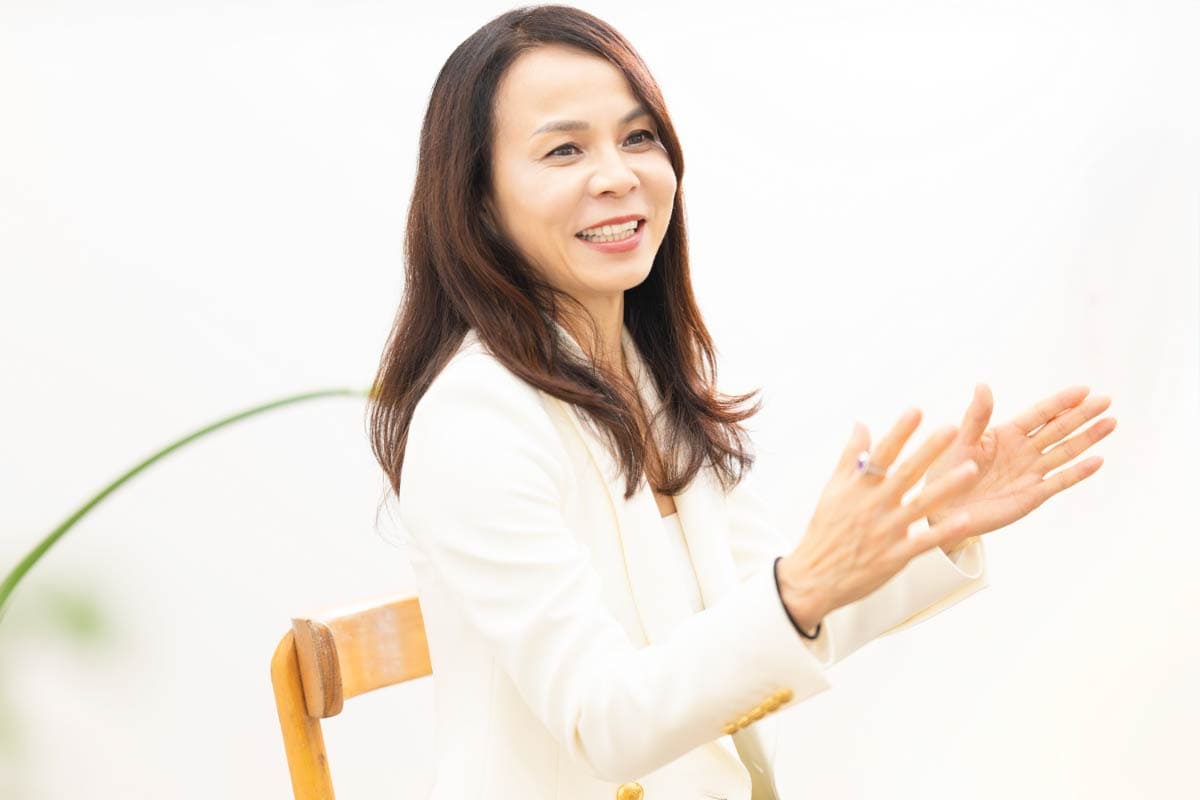
奥本:こうして話していると、AIがウェルビーイングに与える影響は計り知れませんよね。では、ニコルは「AI時代」についてどんな時代だと考えていますか?
Okumoto:
As we talk, it becomes clear just how immeasurable the impact of AI on well-being will be. So, Nichol, how do you personally see the age of AI?
ニコル:私は、AI時代とは「関係性の時代」だと信じています。テクノロジーがどれだけ進化しても、一人だけで世界を動かすユニコーン企業のような存在は現れません。大きな革新はいつも、人との協働のなかで生まれます。
まず問われるのは「自己との関係性」です。自分自身と健全に向き合い、「初心者であることを受け入れる」「ゼロから学び直す」「自分を再定義する」「アイデンティティの変化を許容する」——こうした姿勢が求められます。
次に重要なのが、「他者との関係性」です。初期研究では、生成AIを使うことで個人の生産性は25〜40%向上するという可能性が示されていますが、実際のチーム運用では逆に生産性が低下しているケースもあります。原因は明確で、まだ私たちが「人とテクノロジーの関わり方」を理解しきれていないからです。
直子と話していていつも強く感じるのは、彼女が一貫して「人と人との関係を育むこと」に深い関心を持ち続けてきた、という点です。
Nichol:
I believe the age of AI is fundamentally an age of relationships. No matter how advanced technology becomes, there will never be a unicorn company that changes the world entirely on its own. Major breakthroughs are always born through collaboration with others.
The first relationship we must examine is our relationship with ourselves. We need to face ourselves honestly and cultivate a healthy inner relationship—accepting that we are beginners, relearning from zero, redefining ourselves, and allowing our identities to evolve. These attitudes will be essential.
Next comes our relationship with others. Early studies suggest that using generative AI can increase individual productivity by 25–40%. Yet in real-world team settings, there are cases where productivity actually declines. The reason is clear: we still don’t fully understand how humans and technology should work together.
One thing I always feel strongly when talking with Naoko is that she has consistently held a deep interest in nurturing relationships between people.
奥本:私の原点は、子どもの頃のともて小さな体験にあるんです。弟たちや友人とお菓子を分け合ったとき、独り占めするより、みんなで分け合うほうが、つながりを感じながら、より楽しく、より美味しく味わえると感じていました。そのささやかな実感が「人と分かち合う喜び」や「人と人をつなぐ存在でありたい」という思いにつながっていったのだと思います。
Okumoto:
My own origin lies in a very small childhood experience. When I shared snacks with my younger siblings or friends, I realized that sharing—rather than keeping everything for myself—made the experience more joyful, more connected, and even more delicious. That simple realization grew into a desire to value the joy of sharing and to become someone who connects people.
ニコル:幼い頃に育まれた「分け合う喜び」や「人をつなぐ役割」こそが、直子の原点なのですね。そしてその価値観が、今の活動にも無理なく息づいている。
こうした“人を起点に物事を考える姿勢”は、直子がAI時代を捉える視点にも、はっきりと表れていると感じます。「人とテクノロジーの関わり方」は、これから数年間の課題となり、2026年の主要な議論テーマとなるでしょう。私たちは、AIをどこで活用し、どこでは活用すべきでないのか、その線引きを明確にしなければいけません。
Nichol:
The joy of sharing and the role of connecting people that were cultivated early in life—those are clearly at the core of who Naoko is. And those values naturally continue to live on in her work today.
This human-first way of thinking is also clearly reflected in how Naoko views the age of AI. How humans and technology should relate to each other will be one of the key challenges of the coming years, and it will become a central theme of discussion in 2026. We must draw clear lines around where AI should be used—and where it should not.
奥本:その線引きとは、どんな基準なのでしょうか?
Okumoto:
So what criteria should guide those boundaries?
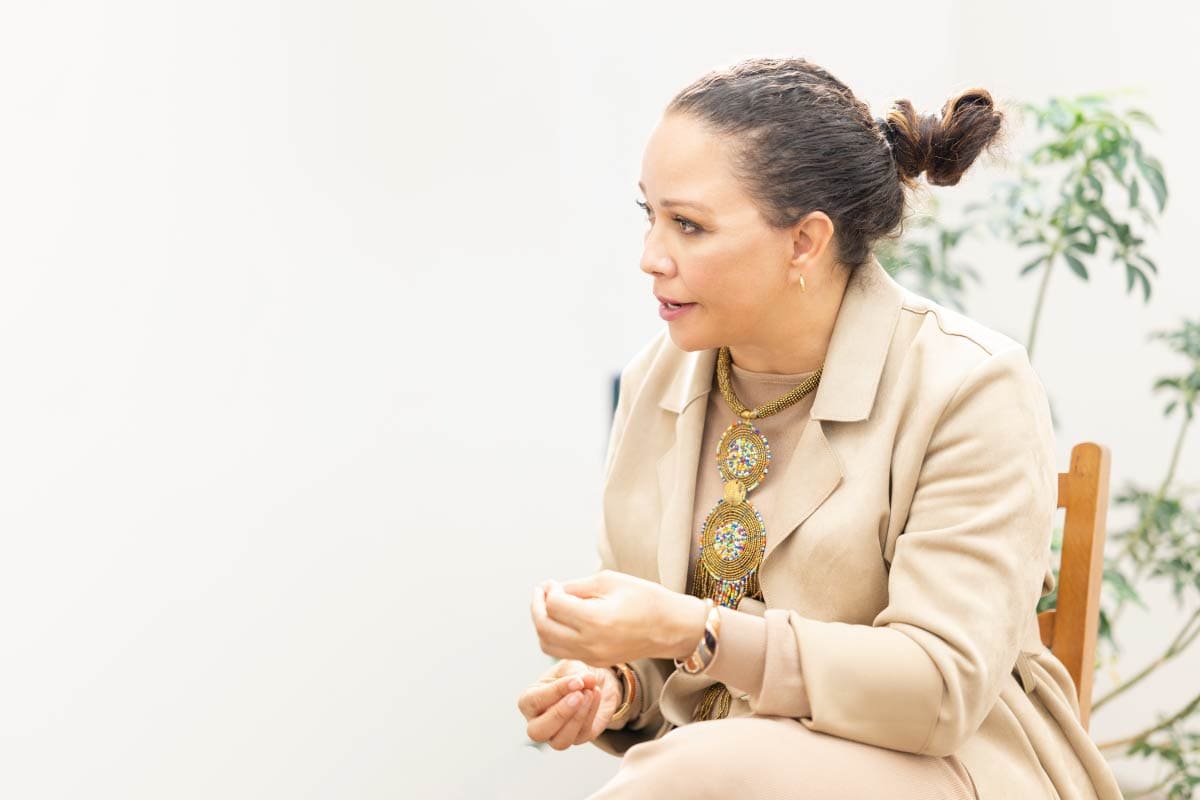
ニコル:私は「3つのC」に関わる場面では、AIを使わない方がよいと考えています。
1.Commitment(コミットメント)
採用の一次スクリーニングにAIを使うことは問題ありませんが、最終判断は対話し、空気を感じ、価値観を確かめる必要があります。
2.Crisis(危機対応)
子どもを亡くした、障害を負ったなど、人生の重大局面に対して、AIが生成した画一的なメッセージを送るべきではありません。
3.Conflict(対立)
意見の相違や衝突をAIに任せることも適切ではありません。こうした場面では、人が向き合い、丁寧に対話する必要があります。
Nichol:
I believe there are situations involving what I call the “three Cs” where AI should not be used.
- Commitment
Using AI for initial screening in hiring is fine, but final decisions must involve real dialogue—reading the room, sensing nuance, and confirming shared values. - Crisis
In moments of profound life crisis—such as losing a child or acquiring a disability—it is not appropriate to send standardized, AI-generated messages. - Conflict
Disagreements and confrontations should not be handed over to AI. In these moments, people must face one another and engage in careful, human dialogue.
奥本:AIと共に歩む時代はまだスタートしたばかりですが、今後AIはどのように私たちの生活を変えていくのでしょうか?
Okumoto:
We are only just beginning to walk alongside AI. How do you think AI will change our lives going forward?
ニコル:これからの10年間は、AI時代の方向性を決定づける最も重要な10年になると思います。10年後には、おそらく大きな社会変化が起きているでしょう。そして私たちは、その変化をリアルタイムで体感しながら生きていくことになります。
その渦中に私たちはいる、とてもエキサイティングな時代です。もしも、私たちが人間の心を大切にできなければ、100年後の世界は荒廃してしまうかもしれません。AIとの向き合い方を模索し続けるこれからの10年こそが、「新たな関係性の時代」を切り拓く鍵になるのだと、私は信じています。
Nichol:
I believe the next ten years will be the most critical decade in determining the direction of the AI era. Ten years from now, we will likely see major societal changes—and we will be living through them in real time.
We are right in the middle of that current now, and it’s an incredibly exciting time. If we fail to care for the human heart, the world a hundred years from now could become deeply impoverished. I truly believe that the coming decade—during which we continue to explore how we relate to AI—will be the key to opening up a new age of relationships.
関連記事はこちら
ウェルビーイングな社会を創るために、今、動き出す。<HUMAN + TECH DAY in Tokyo イベントレポート>
【奥本直子氏×堂上研】テクノロジーで人間力を取り戻す。ウェルビーイング・テック産業の可能性
【奥本直子氏×孫泰蔵氏×堂上研】大人の「アンラーニング」が子どものウェルビーイングを高める理由
【奥本直子氏×飯塚統氏】人間性はAIが進化した時代にこそ輝く。テクノロジーが支える医療の未来とは
【奥本直子氏×宮田教授】AIは自分自身すら気づかなかったウェルビーイングに出会う手がかり。人と人のつながりが新しい価値をつくる時代へ


ペンシルバニア大学ウォートン校にてMBAを修得後、Activision Blizzard、Disney Vivendiなどのメジャーなブランドの戦略、運営、マーケティングを担当。インタラクティブ・エンターテイメントの上層幹部として、World of Warcraftを始めとするBlizzard Entertainmentの全コンテンツを中国で運営し、ActivisionとBlizzardの合併を担当したVivendi Gamesチームでも重要な役割を果たした。2014年、ウェルビーイング・テクノロジーの起業家、投資家、イノベータのためのエコシステムである「トランスフォーマティブ・テクノロジー(Transformative Tech.org)」を共同で設立し、72カ国、450都市に9,000人の会員を有するまで成長させた。ウェルビーイング・テクノロジーのパイオニアとして、幅広く講演。スタンフォード大学、シンギュラリティ大学講師を務める。
After earning her MBA from the Wharton School of the University of Pennsylvania, Nichol Bradford held senior roles in strategy, operations, and marketing for major global brands including Activision Blizzard and Disney Vivendi. As a senior executive in interactive entertainment, she oversaw the operation of all Blizzard Entertainment content—including World of Warcraft—in China, and played a key role on the Vivendi Games team responsible for the merger of Activision and Blizzard.
In 2014, she co-founded Transformative Tech.org, an ecosystem for entrepreneurs, investors, and innovators in well-being technology. Under her leadership, the organization grew to more than 9,000 members across 450 cities in 72 countries. A pioneer in well-being technology, she is a sought-after global speaker and serves as a lecturer at Stanford University and Singularity University.